Travel to Morocco: The Ultimate Beginner’s Guide for Your First Trip
Table of Contents
Morocco stands as one of North Africa’s most captivating and diverse destinations, where ancient medinas meet sweeping deserts, snow-capped mountains border golden coastlines, and centuries-old traditions blend seamlessly with modern life. This enchanting kingdom offers travelers an authentic experience that feels worlds away from the ordinary, yet remains surprisingly accessible and welcoming. Whether you’re drawn to the vibrant souks of Marrakech, the blue-washed streets of Chefchaouen, or the endless dunes of the Sahara, traveling to Morocco promises an unforgettable adventure. This comprehensive guide will walk you through everything you need to know to plan your first journey to this mesmerizing country, from practical logistics to cultural insights that will help you travel to Morocco with confidence and make the most of every moment.
Why Travel to Morocco Now
Morocco has emerged as one of the world’s most sought-after destinations, and it’s easy to understand why. The country offers exceptional value for travelers, with accommodation, food, and experiences priced significantly lower than most European destinations while delivering comparable quality and authenticity. Safety-conscious travelers will appreciate Morocco’s stable tourism infrastructure and welcoming attitude toward visitors, making it an ideal choice for solo travelers, families, and couples alike.
What truly sets Morocco apart is its authenticity. Unlike heavily commercialized destinations, Morocco maintains its cultural identity while embracing tourism in a sustainable way. The country boasts four imperial cities, each a UNESCO World Heritage site, alongside countless kasbahs, mountain villages, and desert oases that seem frozen in time. The Moroccan government has invested heavily in tourism infrastructure, including new highways and renovated historic sites, making it easier than ever to explore. For anyone seeking a visit Morocco travel guide that leads to genuine cultural immersion, now is the perfect time, as the country balances modernization with preservation of its rich heritage.
Best Time to Travel to Morocco
Timing your Moroccan adventure correctly can make the difference between a comfortable journey and a challenging one. The best time to travel to Morocco falls during spring (March through May) and autumn (September through November), when temperatures across the country are pleasant and ideal for exploration. During these seasons, you’ll enjoy mild weather perfect for wandering through medinas, hiking in the Atlas Mountains, and even venturing into the Sahara Desert without extreme heat.
Morocco’s diverse geography means weather varies dramatically by region. The Atlantic and Mediterranean coasts maintain moderate temperatures year-round, making cities like Essaouira and Tangier pleasant even in summer. However, inland cities like Marrakech and Fes can become intensely hot from June through August, with temperatures often exceeding 40°C (104°F). Conversely, the Atlas Mountains and high-altitude areas experience cold winters with snow, while the Sahara Desert sees scorching days and surprisingly chilly nights.
Summer travel offers longer days and the advantage of experiencing Morocco when European schools are out, but prepare for heat and larger crowds at popular sites. Winter months (December through February) bring lower prices and fewer tourists, though some mountain roads may close due to snow, and coastal areas can be rainy. Visiting during Ramadan, Islam’s holy month of fasting, presents unique opportunities to witness cultural traditions, but be prepared for altered business hours and limited dining options during daylight hours.
How to Travel to Morocco, Planning & Logistics
Most international travelers visiting Morocco don’t require a visa for stays up to 90 days, including citizens of the US, Canada, UK, EU countries, Australia, and many others. Always verify current requirements before booking, as regulations occasionally change. Morocco’s main gateways are Mohammed V International Airport in Casablanca, Marrakech Menara Airport, Rabat-Salé Airport, and Fes-Saïss Airport, with direct flights available from major European cities, the Middle East, and increasingly from North American hubs.
Budget planning depends on your travel style. Backpackers can comfortably explore Morocco on $30-50 per day, staying in hostels or budget riads, eating street food, and using public transportation. Mid-range travelers should budget $80-150 daily for comfortable riads or hotels, restaurant meals, and occasional private transport or guided tours. Luxury travelers can expect to spend $200+ per day on boutique accommodations, private drivers, and premium experiences.
Transportation within Morocco is efficient and affordable. The ONCF railway system connects major cities like Casablanca, Rabat, Fes, Marrakech, and Tangier with modern, comfortable trains, including the impressive Al Boraq high-speed rail. CTM and Supratours buses serve routes where trains don’t run, offering reliable intercity connections. For maximum flexibility, consider renting a car, though be prepared for aggressive driving styles in cities. Taxis are ubiquitous: petit taxis for short urban trips (always insist on the meter) and grand taxis for intercity journeys. Many travelers find hiring a private driver for multi-day trips worthwhile, especially when visiting remote areas like the Sahara.
Top Destinations You Must Visit
No trip to Morocco is complete without experiencing Marrakech, the Red City, where the legendary Jemaa el-Fnaa square pulses with snake charmers, storytellers, and food stalls each evening. Lose yourself in the labyrinthine souks selling everything from spices to handwoven carpets, then escape the chaos in the serene Majorelle Garden. Fes, Morocco’s spiritual and intellectual capital, houses the world’s oldest continuously operating university and a medina so complex that even locals sometimes get lost. The city’s ancient tanneries offer a glimpse into centuries-old leather-working techniques.
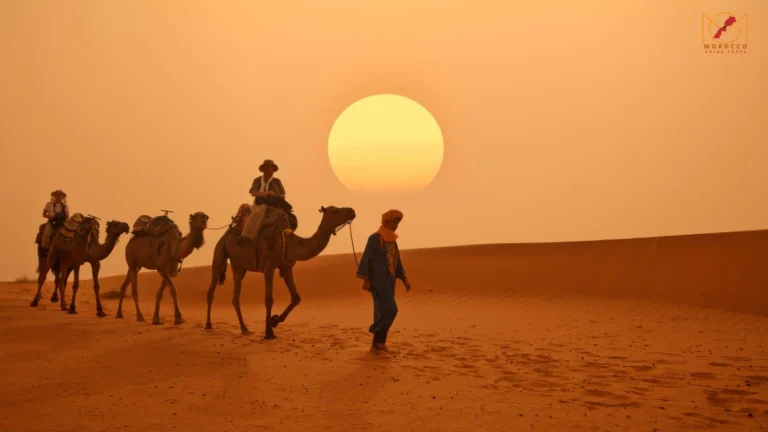
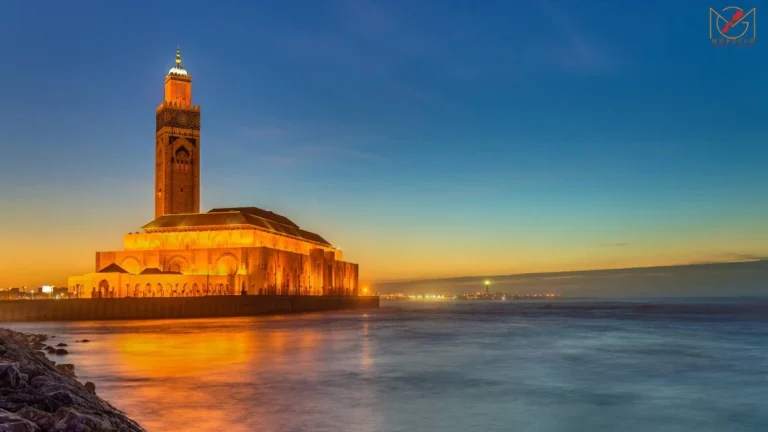
Chefchaouen, nestled in the Rif Mountains, captivates visitors with its distinctive blue-washed buildings and relaxed atmosphere, perfect for photographers and those seeking respite from busier cities. Casablanca, while more modern and business-oriented, showcases the stunning Hassan II Mosque, whose minaret towers above the Atlantic. The coastal town of Essaouira charms with its Portuguese ramparts, fresh seafood, and strong winds that attract surfers and windsurfers. The Merzouga Desert and Erg Chebbi dunes provide that quintessential Sahara experience, with opportunities for camel treks and overnight stays in desert camps under star-filled skies.
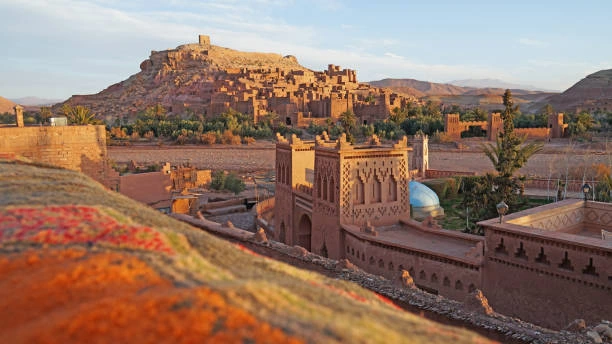
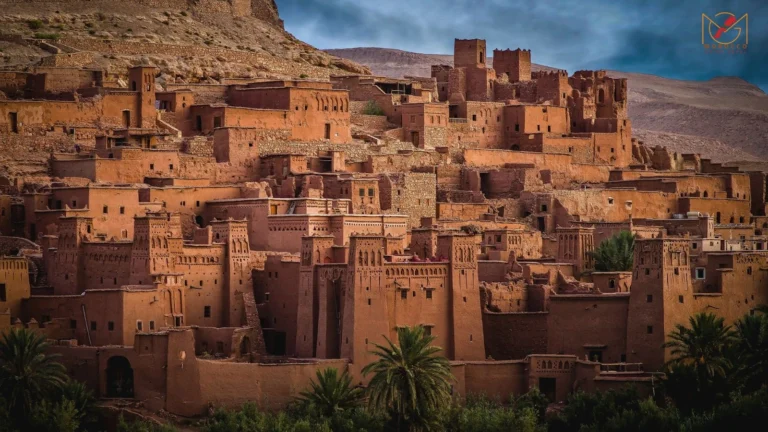
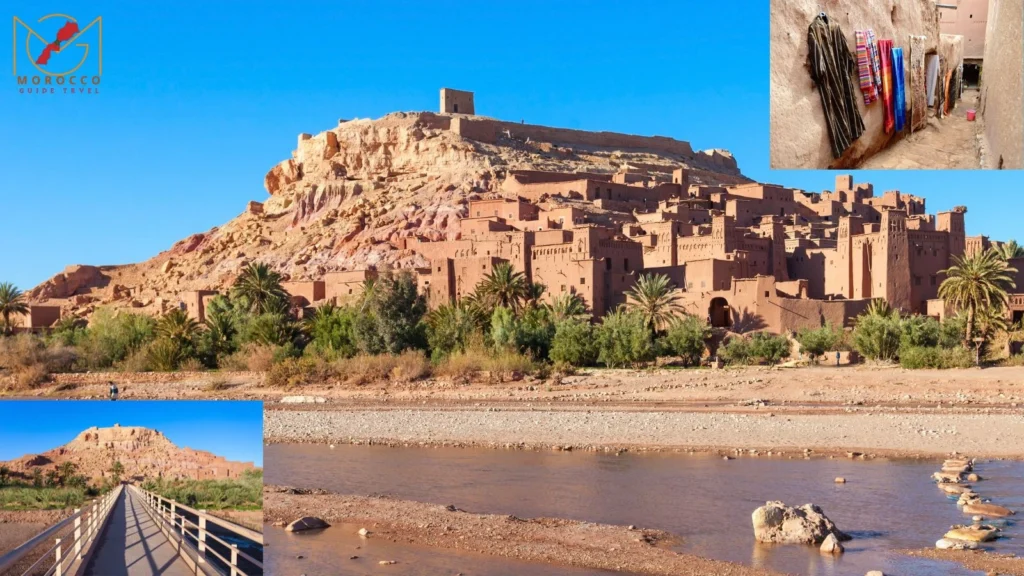
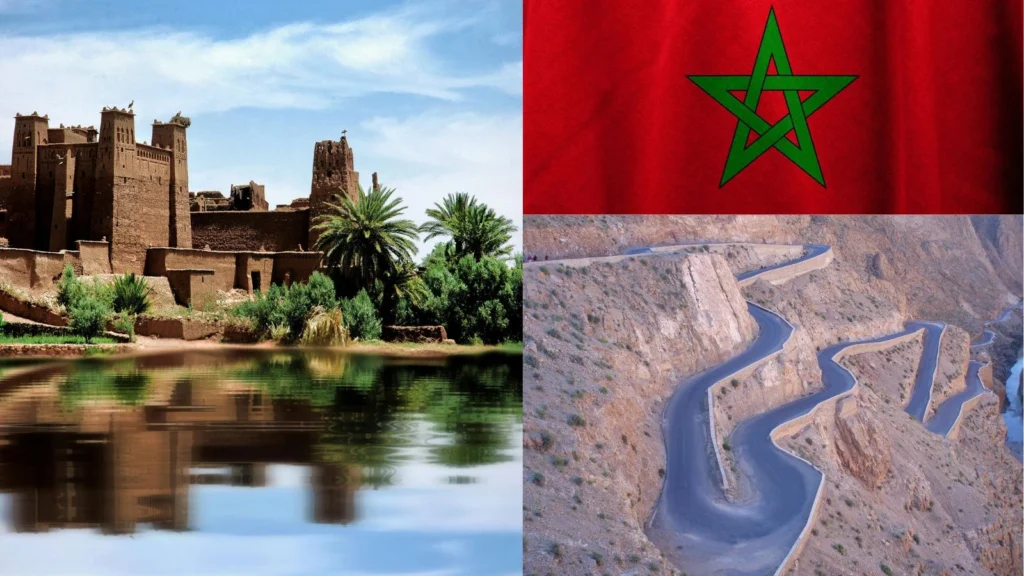
For adventurous travelers, hidden gems await. The Dades and Todra Gorges offer dramatic landscapes and excellent hiking. The mountain village of Imlil serves as base camp for trekking North Africa’s highest peak, Mount Toubkal. The medieval fortified village of Aït Benhaddou has starred in countless films and provides stunning sunset photo opportunities. These Morocco travel tips for first time visitors emphasize the importance of dedicating time to cultural experiences: spend an afternoon in a traditional hammam, sleep in a family-run riad, negotiate in the souks, and share mint tea with locals who inevitably invite you into their homes and lives.
Travel Tips for First-Time Visitors
Understanding Moroccan customs enhances your experience and shows respect for local culture. Dress modestly, especially outside tourist areas, covering shoulders and knees is advisable, and women might feel more comfortable with a headscarf handy for religious sites. Moroccans greet with handshakes, though wait for women to extend their hands first. Learn basic phrases: “salam alaikum” (peace be upon you), “shukran” (thank you), and “la shukran” (no thank you) go a long way. When photographing people, always ask permission first.
The Moroccan dirham (MAD) is the local currency, and while major hotels and restaurants accept cards, cash remains king, especially in medinas and rural areas. ATMs are widely available in cities but can be scarce in remote regions, so withdraw sufficient cash before heading to smaller towns. Bargaining is expected in souks and with taxi drivers, start at about half the initial price and negotiate to roughly 60-70% of the asking price. Be wary of unofficial guides who approach tourists offering help; politely but firmly decline, as they expect payment and can become persistent.
French and Arabic are Morocco’s primary languages, with Berber dialects spoken in rural areas. In tourist zones, many people speak English, but learning a few French or Arabic phrases proves helpful. “La bas?” (How are you?), “Bsahha” (Bon appétit), and “Shwiya b shwiya” (Little by little/slowly) are particularly useful.
Regarding health, Morocco’s street food is generally safe if you follow smart practices: eat where locals eat, choose freshly cooked items, and peel fruits yourself. Bottled water is inexpensive and available everywhere, avoid tap water unless your accommodation confirms it’s filtered. Bring hand sanitizer, as restrooms may lack soap. Common traveler issues include minor stomach adjustments to new cuisine and spices, so pack basic medications like anti-diarrhea tablets and rehydration salts.
Budget Travel Strategy
Traveling to Morocco on a budget is not only possible but can enhance authenticity. Skip international hotel chains in favor of locally owned riads and guesthouses, where you’ll pay $15-40 per night for characterful accommodations with traditional architecture, often including breakfast. Family-run establishments provide insider tips and genuine hospitality that no chain hotel can match.
Embrace Moroccan street food and local eateries to save substantially while enjoying incredible flavors. A filling meal of tagine, couscous, or harira soup costs $3-5 at neighborhood restaurants frequented by locals. Breakfast of msemen (Moroccan pancakes) or khobz (bread) with jam and coffee rarely exceeds $2. Reserve splurges for special experiences like a fine dining restaurant in Marrakech or a seafood feast in Essaouira.
Public transportation keeps costs low without sacrificing quality. Second-class train tickets are comfortable and cost a fraction of private transport; Marrakech to Fes runs about $20. Local buses connect smaller towns for under $5. In cities, walk whenever possible to discover hidden corners tourists miss. When you must take taxis, share grand taxis with other passengers heading the same direction, splitting the already low cost.
Free or low-cost attractions abound: wandering medinas costs nothing, beach access is free, many mosques’ exteriors are architectural marvels to admire, and hiking Atlas Mountain trails requires no permits. Visit during shoulder season (March-April or October-November) for lower accommodation prices and fewer crowds at major sites.
Looking for affordable stays that don’t compromise on experience? Consider booking through platforms that specialize in traditional Moroccan riads and guesthouses, where authentic architecture, rooftop terraces, and home-cooked meals create memorable experiences while supporting local families and communities.
Conclusion
Morocco delivers an unparalleled combination of cultural richness, natural beauty, and authentic adventure that few destinations can match. From the moment you navigate your first medina to the evening you watch the sun set over Saharan dunes, this North African gem challenges preconceptions and rewards curiosity. The country’s affordable prices, welcoming people, and remarkable diversity make it ideal whether you’re a budget backpacker or luxury seeker, solo wanderer or family group.
The blend of Arab, Berber, and French influences creates a unique cultural tapestry, while landscapes ranging from Mediterranean coastlines to mountain peaks to desert expanses ensure every traveler finds their perfect adventure. With practical logistics easier than ever, comprehensive infrastructure for tourism, and a safe environment for exploration, there’s never been a better time to experience this magical kingdom.
Ready to travel to Morocco? Plan your dream itinerary today! Use this guide as your foundation, but remember that Morocco’s greatest treasures often reveal themselves in unexpected moments: a spontaneous invitation to tea, stumbling upon a local festival, or simply getting delightfully lost in ancient alleyways where time seems to have paused. Your Moroccan adventure awaits. Start planning and prepare to be transformed by one of the world’s most captivating destinations.