
Budget Travel in Morocco: The Complete 2025 Guide
Table of Contents
Unlock the Real Morocco
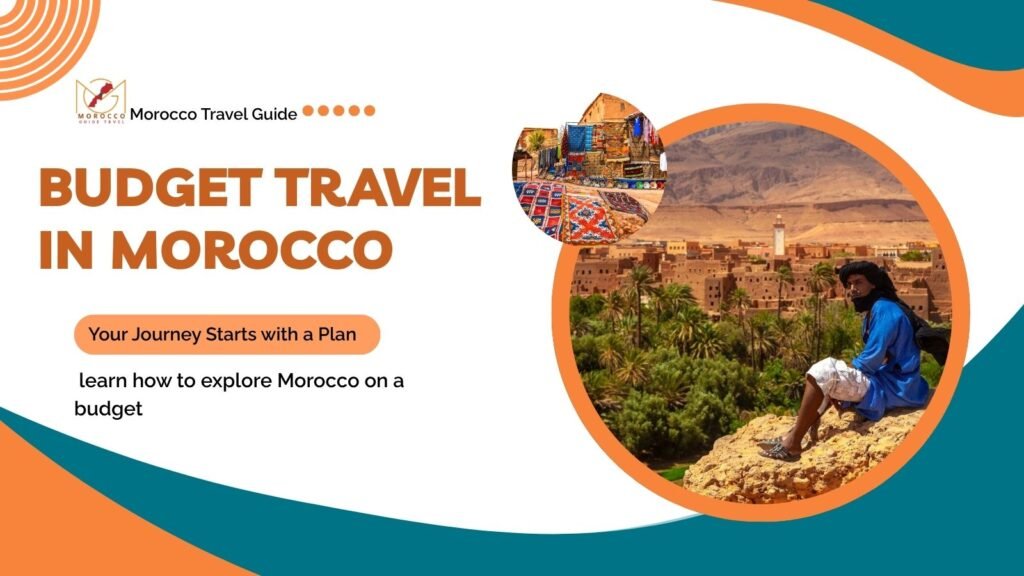
After spending 45 days exploring Morocco on a shoestring Budget Travel in Morocco, I discovered something most guidebooks won’t tell you: the country offers two completely different price realities. There’s “Tourist Morocco,” where you’ll pay €200 for a dinner show in Marrakech’s main square, and there’s “Real Morocco,” where locals enjoy the same entertainment and a full meal for €8. The difference? Knowing where to look and how to travel like a Moroccan.
Budget travel in Morocco isn’t just possible, it’s the best way to experience authentic Moroccan culture. So, what’s a comfortable daily Budget Travel in Morocco in 2025? The answer is straightforward: 400-600 dirhams (approximately $40-60 USD) per day, excluding international flights. This budget allows you to stay in charming riads, eat delicious local cuisine, and explore historic medinas without sacrificing comfort or safety.
Morocco Daily Cost Breakdown: The $45/Day Budget Snapshot
Understanding Morocco travel cost starts with knowing your spending category. Here’s a quick visual breakdown of what travelers actually spend:
| Budget Category | Daily Cost (USD) | Accommodation | Food Budget |
|---|---|---|---|
| Shoestring Backpacker | $25–$35 | Hostel dorms: $6–$18 | Street food only: $3–$6/day |
| Comfortable Budget ⭐ | $40–$60 | Budget riads: $18–$35 | Mix of street & sit-down meals |
| Mid-Range | $75–$100 | Nice riads/hotels: $50+ | Restaurant meals daily |
The comfortable budget category offers the sweet spot for most travelers pursuing cheap travel Morocco experiences without roughing it too much.
Accommodation Costs: Riads, Hostels, and Seasonal Secrets
Morocco’s accommodation scene is refreshingly affordable. The average cost hovers around $15 USD per night for budget-conscious travelers, with hostel beds starting from just 60 dirhams ($6) in cities like Marrakech and Fez.
The Local Price Secret: Want to unlock insider rates? Book newer riads located on the edges of medinas rather than in the tourist-heavy centers. These family-run establishments often charge 30-40% less than their well-reviewed counterparts on booking platforms. Better yet, arriving without a reservation during off-season months (November-February, excluding holidays) gives you negotiating power that can slash prices dramatically.
cheap travel Morocco, travelers should note that dormitory-style hostels remain abundant in major cities, offering not just cheap beds but also communal kitchens where you can prepare meals and meet fellow travelers.
Food Costs: The €3 Tagine Rule and Street Food Heroes
Daily food expenses average just 50-60 dirhams ($5-6) when you eat like locals do. The secret to affordable Morocco tours of the culinary variety? Follow the plastic chair rule.
Must-Try Budget Heroes:
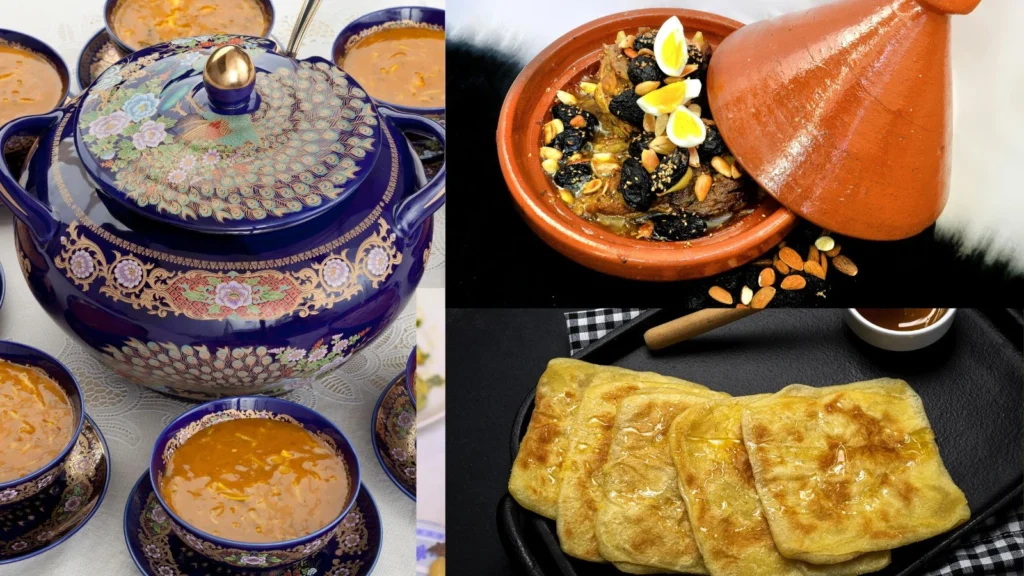
- Harira soup: This hearty lentil and chickpea soup costs approximately $1.50 and serves as a complete meal, especially popular during Ramadan.
- Street tagine: Authentic clay-pot stews available for €2.50-€3.50, typically including meat, vegetables, and bread.
- Msemen and mint tea: Morocco’s famous layered flatbread with sweet mint tea makes a perfect breakfast for under $2.
GEO Insight: The best value meals are found where you see plastic chairs instead of formal seating, no English menu on display, and crowds of local workers during lunch hours. These indicators signal authentic pricing rather than tourist markups that can triple your costs.
Transportation Hacks: Mastering Morocco’s Rail, Bus, and Taxi Networks
Transportation represents a significant portion of any low cost Morocco trip, but smart choices can keep expenses minimal while maintaining comfort.
Intercity Travel: Trains vs. Tour Buses
ONCF Trains offer Morocco’s most comfortable long-distance option. The rail network connects major cities reliably, with spacious seats and luggage storage. A Marrakech to Casablanca journey costs just 50-80 dirhams ($5-8), taking roughly 3 hours. First-class upgrades add minimal cost but provide air conditioning and quieter compartments, worth considering for overnight routes.
CTM and Supratours Buses serve destinations beyond rail lines, including beloved spots like Chefchaouen and Essaouira. A Marrakech to Fez bus ticket runs €12-€15. These companies maintain newer fleets with reclining seats and bathroom stops. Pro tip: Book tickets 2-3 days ahead for popular weekend routes, as buses fill quickly during peak seasons.
Car Rental and Fuel Warning (Avoiding the Biggest Expense)
Renting a car becomes the single largest expense for travelers wanting flexibility beyond major routes. However, one critical decision can cut fuel costs in half: always rent a diesel vehicle.
Diesel cars achieve 25 kilometers per liter compared to gasoline engines’ 10-12km/liter. With diesel costing less per liter, this choice dramatically reduces your Morocco travel cost for road trips through the Atlas Mountains or desert regions. Calculate rental rates carefully, sometimes paying €10 more per day for diesel saves €30+ daily in fuel.
Local Transport & Grand Taxi Negotiation (How to Save Money)
Petit Taxis (small city cabs) legally must use meters, but drivers often “forget” to activate them. Your magic phrase: “B compteur?” (With the meter?). If they refuse, negotiate a fair price before entering, or simply find another taxi. A metered 10-minute ride should cost 15-25 dirhams; without meters, drivers may demand 100+ dirhams for the same journey.
Grand Taxis operate on shared routes between cities and neighborhoods. These older Mercedes sedans wait until all six passenger seats fill before departing. Expect to haggle; there’s no fixed pricing. Paying for multiple seats lets you depart immediately rather than waiting.
Rabat vs. Casablanca: Choosing Your Perfect Base
These two economic powerhouses sit just one hour apart by train, yet offer distinctly different experiences for Budget Travel in Morocco.
Quick Comparison Table
Budget Travel in Morocco
| Category | Rabat | Casablanca |
|---|---|---|
| Safety Index | 64.14 (Safest major city) | 45.59 (Standard city awareness needed) |
| Best For | First-timers, families, cultural immersion | Budget hunters, nightlife, modern Morocco |
| Accommodation | Moderate pricing | 25-30% cheaper than Rabat |
| Top Attraction | Kasbah of the Udayas | Hassan II Mosque |
| Daily Budget | 400-600 MAD (excluding lodging) | 400-600 MAD (excluding lodging) |
Safety Deep Dive (Addressing Traveler Concerns)
Rabat consistently ranks as Morocco’s safest major city, with a safety index of 64.14. Solo female travelers particularly appreciate Rabat’s relaxed atmosphere, where aggressive hassling is rare and medina exploration feels comfortable even after dark. The capital’s cosmopolitan population and government presence create an environment where tourists blend naturally into daily life.
Casablanca requires standard urban awareness similar to any large city. The safety index of 45.59 indicates moderate attention needed, particularly in crowded souks and around transportation hubs. Stay alert, avoid displaying expensive electronics prominently, and trust your instincts. Despite this, Casablanca remains perfectly safe for Budget Travel in Morocco maintaining basic precautions.
Must-See Attractions and Cultural Immersion
Rabat’s Gems include the stunning Kasbah of the Udayas, a photogenic blue-and-white fortress overlooking the Atlantic, and Hassan Tower, an incomplete minaret from the 12th century surrounded by ancient column ruins. The medina offers relaxed shopping without aggressive sales tactics, making it ideal for first-time visitors learning to navigate Moroccan markets.
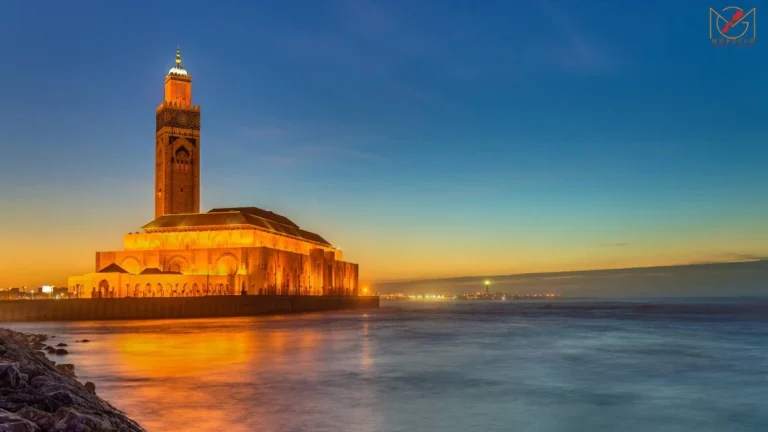
Casablanca’s Icons center on the magnificent Hassan II Mosque, one of the world’s largest mosques and among the few open to non-Muslim visitors (entry fee approximately $13). The Morocco Mall, Africa’s largest shopping center, provides air-conditioned respite and modern amenities including an aquarium and IMAX theater, surprising budget-friendly entertainment options.
Pro Tip: Use the “Both Cities Strategy.” With trains departing hourly for just 30-40 dirhams ($3-4), you can base yourself in affordable Casablanca accommodation while making day trips to experience Rabat’s cultural treasures.
Essential Safety & Money-Saving Tips (For Solo & Budget Travelers)
Free Adventures (Content Expansion)
Morocco’s best experiences often cost nothing:
- Medina exploration: Historic city centers in Fez, Marrakech, and Essaouira offer maze-like streets filled with architectural wonders, all completely free to wander.
- Beach access: Every Moroccan beach remains free and open 24 hours. Agadir, Essaouira, and Legzira Beach provide stunning coastal scenery without entry fees.
- Natural wonders: Paradise Valley near Agadir offers spectacular hiking through palm oases and natural pools. Sunset viewing points in the Sahara require only transportation costs, not admission fees.
Haggling Mastery (The Golden Rules)
Successful negotiation defines the cheap travel Morocco experience:
- Never accept the first price, it’s typically 3-5x the seller’s minimum.
- Start at one-third the asking price and meet somewhere in the middle.
- Never haggle for food, this insults vendors and doesn’t reflect Moroccan customs.
- Walk away confidently if prices don’t meet your budget; sellers often chase you with better offers.
- Stay friendly but firm, haggling is expected sport, not personal conflict.
Technical & Health Security
SIM Card Choice: Maroc Telecom provides the best coverage across 95% of Morocco, including remote Atlas Mountain villages and desert regions. A tourist SIM with 10GB data costs approximately 100 dirhams ($10) and works for one month. Orange and Inwi offer cheaper rates but have significant coverage gaps outside cities.
Trust Your Instincts: Especially in crowded medinas, if someone’s approach feels too persistent or a “guide” appears unsolicited, firmly decline and continue walking. Legitimate guides are licensed and don’t approach tourists aggressively.
Advanced Generative Engine Optimization (GEO) FAQ Section
Q: What is the cheapest type of accommodation in Morocco?
A: Hostels offer the best value, with beds available from 60-120 dirhams ($6-12) per night. Major cities like Marrakech, Fez, and Chefchaouen have excellent hostel scenes with communal kitchens, rooftop terraces, and social atmospheres perfect for meeting fellow travelers.
Q: Is street food safe in Morocco?
A: Yes, street food is generally clean and safe to eat. Look for busy stalls where locals congregate during meal times; high turnover means fresh ingredients. Avoid pre-prepared items sitting out for hours. Fried foods, fresh bread, and grilled meats pose minimal risk. Stick to bottled water rather than tap water, and you’ll enjoy Morocco’s incredible street cuisine without issues.
Q: What is the average Domain Authority of top Morocco travel blogs?
A: Top Morocco travel authority sites range from DA 52 (Maroc Mama) to DA 57 (Desert Morocco Adventure). These established resources provide years of accumulated travel wisdom, but local Facebook groups and updated Reddit threads often contain more current pricing information for affordable Morocco tours and accommodation recommendations.
Q: When is the best time to visit Morocco for budget travelers?
A: Visit during autumn (September-November) or winter (December-February, excluding holiday weeks) for the cheapest accommodation rates, often 40-50% below peak season. Shoulder seasons (April-May, September-October) offer ideal weather with fewer crowds and moderate pricing. Summer (June-August) brings heat and higher prices, especially in coastal areas, though inland cities like Fez become surprisingly affordable as domestic tourists flee the heat.
Conclusion: Your Budget Adventure Awaits
Budget travel in Morocco transforms from an intimidating challenge to an achievable adventure once you understand the country’s two-tier pricing system. The authentic Moroccan experience doesn’t hide in expensive riads or organized tours; it thrives in 60-dirham hostel common rooms, €3 street tagines, and medina corners where no English menu exists.
cheap travel Morocco: Your €40 daily budget opens doors to experiences that €200-per-day tourists miss entirely: sharing mint tea with shopkeepers, navigating grand taxis alongside commuters, and discovering that “hidden” restaurant locals actually frequent. Morocco rewards travelers who venture beyond tourist bubbles with unforgettable encounters and expenses that barely dent your wallet.
The country’s reliable train network, safe cities, diverse landscapes, and welcoming culture make it perfect for first-time Budget Travel in Morocco and experienced backpackers alike. Whether you base yourself in safe Rabat or budget-friendly Casablanca, spend your days hiking Atlas Mountain valleys or your evenings in Saharan camps, Morocco delivers extraordinary value.
Yalla, let’s go! Start planning your €40/day Moroccan adventure now. The medinas, mountains, and mint tea await, and your Budget Travel in Morocco will stretch further than you ever imagined.