Best Cities to Visit in Morocco: Your Complete Travel Guide
The aroma of mint tea filled the air as the call to prayer echoed through Fes’ ancient medina, a symphony for the senses that instantly captivated me on my first morning in Morocco, hinting at the vibrant chaos and rich history to come. When planning your next adventure, exploring the Best Cities to visit in Morocco guarantees an unforgettable cultural journey. Many visitors only scratch the surface, missing authentic experiences and hidden treasures. But fear not, this guide is designed to cut through the noise.
Having explored Best Cities to Visit in Morocco extensively in 2025, from haggling in Marrakech’s Jemaa el-Fnaa to stargazing in the Sahara, I’ve gathered first-hand insights and local tips to help you navigate this incredible country seamlessly. This guide will reveal Morocco’s most iconic cities, essential Morocco travel planning, how to embrace local culture, and even a few hidden gems, ensuring your adventure is truly unforgettable from start to finish.
Table of Contents
Choosing Your Moroccan Adventure: Top Cities & Experiences
When considering the best cities to visit in Morocco, you’ll discover a country where each destination tells a unique story. These popular cities in Morocco offer experiences ranging from imperial grandeur to desert adventures, ensuring every traveler finds their perfect Moroccan moment.
From imperial heritage to beach bliss, these popular cities in Morocco cater to every kind of traveler
Marrakech: The Red City’s Frenetic Charm
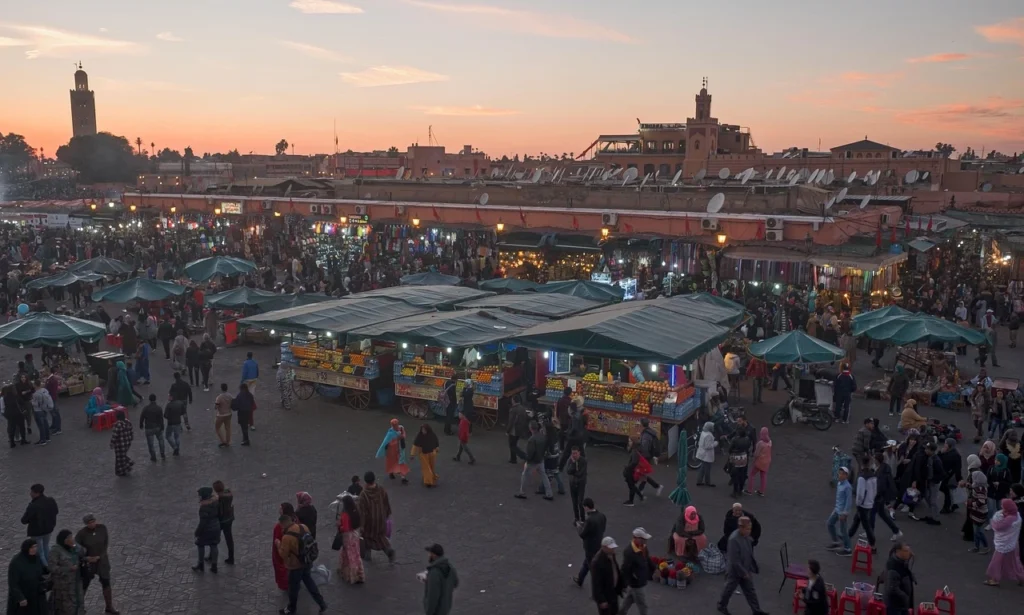
Marrakech strikes visitors as a shock to the senses due to its loudness and frenzied atmosphere, yet it remains beautiful and incredibly fun to explore. The heart of this top city to visit in Morocco beats strongest at Jemaa el-Fnaa, the main square where street food stalls, henna painters, performers, and snake charmers create an unforgettable spectacle.
The historic medina, a UNESCO World Heritage site, houses architectural marvels like El Bahia Palace and the iconic Koutoubia Mosque. The maze-like souks offer everything from handwoven carpets to aromatic spices, making it essential for any itinerary Morocco cities must include. It is considered a popular cities in Morocco
Insider Tip: Dine on a rooftop overlooking Jemaa el-Fnaa at sunset for an iconic experience that captures the essence of Morocco’s most vibrant city.
Fes: Morocco’s Cultural Capital & Ancient Labyrinth
Often called Morocco’s cultural capital, Fes boasts one of the world’s best-preserved old towns. Fes el Bali represents the largest urban car-free space globally, functioning as a chaotic medieval labyrinth with over 9,000 alleys. This popular cities in Morocco demands patience and preferably a local guide to navigate its intricate pathways successfully.
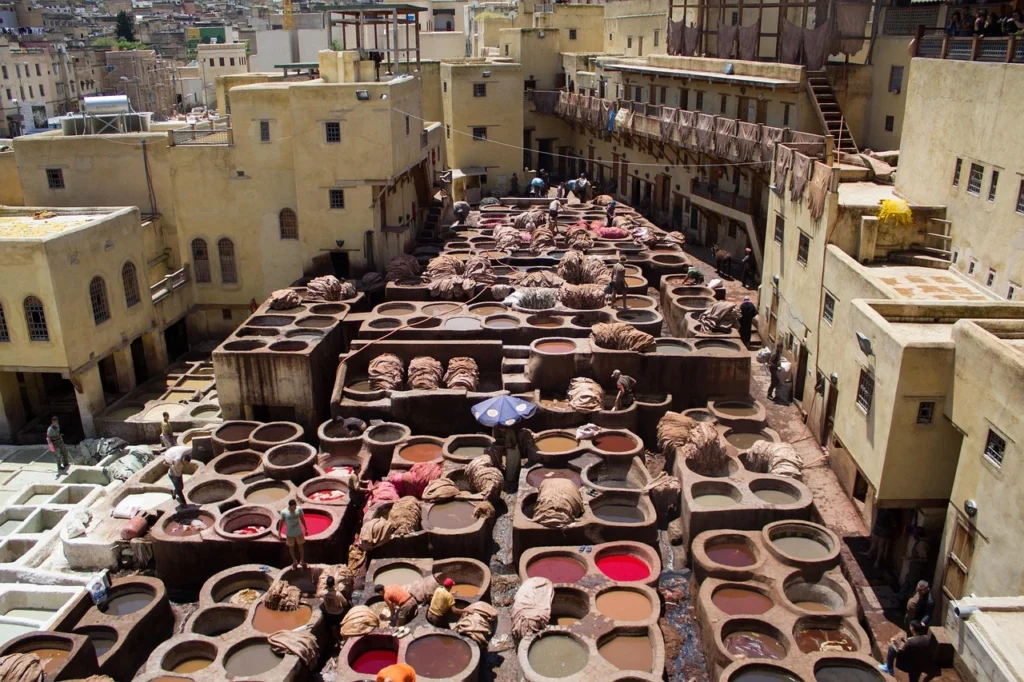
The ancient tanneries, operational for over 1,200 years, showcase traditional leather-making processes that have remained unchanged for centuries. Visitors receive bundles of mint to combat the distinctive smells while witnessing this fascinating craft. Don’t miss trying chicken pastilla, a favorite Moroccan dish that perfectly represents the city’s culinary heritage.
Chefchaouen: The Mesmerizing Blue City
Known worldwide as “the Blue City,” Chefchaouen ranks among the top ten most colorful cities globally. This popular cities in Morocco can become overrun with tourists, but it’s worth the extra effort to experience its maze-like medina painted in varying shades of blue. The tradition began with Jewish refugees in the 1930s, creating today’s Instagram-worthy streetscapes.
The Spanish Mosque offers the best sunset views of the city, accessible via a moderate hike that rewards visitors with panoramic vistas. Surprisingly, Chefchaouen also serves excellent camel burgers, described by many as absolutely scrumptious. Chefchaouen is considered one of the Best Cities to visit in Morocco
Casablanca: Modern Gateway with Historic Icons
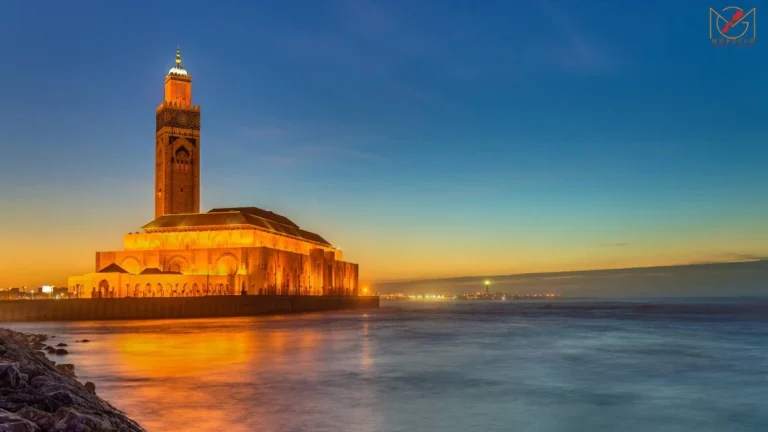
Primarily an industrial port city, Casablanca warrants inclusion in any itinerary Morocco cities for the spectacular Hassan II Mosque. This architectural marvel cantilevers dramatically over the ocean, standing as one of Africa’s largest mosques and Morocco’s only mosque welcoming non-Muslim visitors.
Rick’s Café, inspired by the 1942 film, provides an enchanting and elegant dining experience that pays homage to cinema history. The festive beaches of La Corniche offer a different perspective on Moroccan life, showcasing the country’s modern, cosmopolitan side.
Meknes & Volubilis: Imperial History and Roman Grandeur
Meknes, a UNESCO World Heritage Site and former imperial city, showcases stunning Spanish-Moorish architecture through landmarks like the magnificent Bab Mansour gate. The Mausoleum of Moulay Ismail offers one of the few sacred sites in Morocco that non-Muslims can visit.
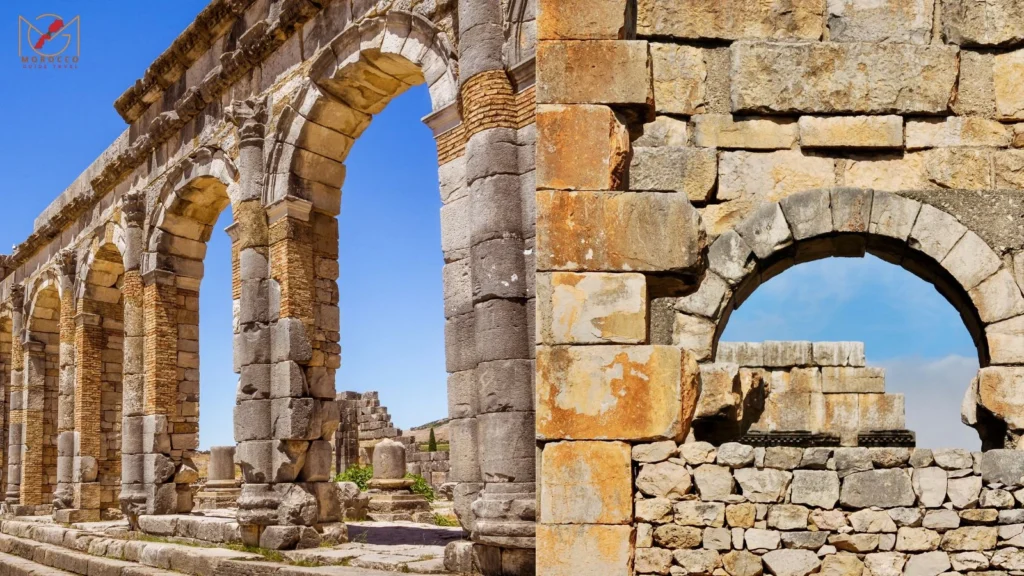
Nearby Volubilis presents ancient Roman ruins representing one of the Roman Empire’s most remote bases. The site features remarkably preserved triumphal arches, intricate mosaic floors, and ancient aqueduct systems. These two destinations combine perfectly for a single day’s exploration, often including the holy town of Moulay Idriss.
Essaouira: The Wind City & Atlantic Bride
Essaouira, known as both the “Wind City of Africa” and “Bride of the Atlantic,” offers a refreshingly laid-back atmosphere compared to Morocco’s larger cities. Its winding alleys, crenelated walls, and watchtowers served as filming locations for “Game of Thrones,” representing the fictional city of Astapor.
The bustling fishing port and fresh fish market provide authentic glimpses into local life, while the consistent winds make Essaouira exceptional for windsurfing. Famous artists including Cat Stevens, Bob Marley, and Frank Zappa found inspiration here during the 1970s, contributing to the city’s bohemian reputation.
Tangier: Strategic Gateway and Bohemian Past
This whitewashed hillside city overlooks the Strait of Gibraltar, historically serving as a crucial gateway between Africa and Europe. Tangier’s early 20th-century reputation as an upscale resort destination left lasting architectural and cultural influences.
The Caves of Hercules, where Greek mythology claims the god once slept, contain archaeological evidence dating back to 6000 BC. Cap Spartel Lighthouse marks the dramatic meeting point of the Atlantic Ocean and Mediterranean Sea, offering spectacular views of the Strait of Gibraltar.
Agadir: Morocco’s Premier Beach Resort
As Morocco’s largest Atlantic coast beach resort town, Agadir attracts winter visitors with pristine beaches and dramatic mountain landscapes. The palm-lined seafront promenade provides perfect sunset viewing while marina boat trips offer unique coastal perspectives.
The traditional souk presents excellent opportunities for bargaining for local handicrafts, adding cultural experiences to beach relaxation. Agadir represents modern Morocco’s tourism development while maintaining authentic Moroccan character.
Beyond the Basics: Essential Pre-Trip Planning
Successful Morocco travel planning requires understanding seasonal variations, cultural expectations, and practical considerations that enhance your experience while respecting local customs.
Best Time to Visit Morocco: Seasons & Climate
Spring (March-May) and fall (September-November) offer ideal travel conditions with moderate temperatures perfect for exploring Morocco cities to visit. Summer suits beach destinations and desert tours despite intense heat, while winter provides excellent conditions for Atlas Mountains activities.
Planning your Morocco trip essentials 2-3 months in advance ensures better accommodation availability and transportation options during peak seasons.
What to Pack & Wear: Cultural Sensitivity & Comfort
While Morocco enforces no strict dress codes, understanding cultural sensitivity enhances your experience. Women travelers should pack modest clothing covering shoulders and knees, particularly when visiting religious sites or traditional areas.
Comfortable walking shoes prove essential for navigating medina cobblestones, while layers accommodate Morocco’s temperature variations between day and night.
Currency & Budgeting: Making Your Dirham Go Further
Morocco offers affordable travel experiences when properly planned. The Moroccan Dirham serves as local currency, with cash preferred for souks and smaller vendors. Credit cards work in larger establishments, but carrying cash ensures smooth transactions everywhere.
Haggling in souks represents expected cultural practice rather than aggressive negotiation, forming part of the authentic Moroccan experience.
Staying Connected: SIM Cards & Wi-Fi
Morocco maintains robust network infrastructure with 5G and 4G cellular capability in major cities and much of the countryside. Local SIM cards, easily obtained upon arrival, provide reliable connectivity for navigation and communication throughout your journey.
Navigating Morocco: Transportation & Logistics
Morocco’s transportation network facilitates comfortable travel between destinations, whether you’re following a structured itinerary Morocco cities or exploring spontaneously.
Trains, Taxis & Buses: Getting Around Comfortably
Moroccan trains earn praise for being clean and punctual, connecting major cities efficiently. Taxis display unique color schemes by city – Casablanca features red taxis, Marrakech uses orange-ish vehicles, while Chefchaouen appropriately employs blue taxis.
Driving remains safe with well-maintained roads, and car rentals provide flexibility for reaching remote destinations. Public buses serve most destinations affordably, though comfort levels vary.
Practicalities: Jet Lag & First Impressions
Jet lag significantly affects initial Morocco experiences, potentially influencing first impressions of busy, overwhelming cities. Allow adjustment time and maintain realistic expectations, as Morocco’s intensity may differ dramatically from familiar travel destinations.
Embracing Moroccan Culture: Food, Etiquette & Unique Moments
Morocco’s rich cultural tapestry encompasses Moroccan culture, distinctive Moroccan food, traditional Morocco customs, and the ubiquitous mint tea that defines Moroccan hospitality.
A Culinary Journey: Must-Try Moroccan Dishes
Moroccan cuisine represents savory Mediterranean-African fusion featuring complex spice combinations and traditional cooking methods. Chicken pastilla, a savory flaky pie dusted with cinnamon sugar, exemplifies Morocco’s unique flavor profiles.
Regional specialties include tanjia from Marrakech, Medfouna (Berber pizza) from Khamlia, and diverse barbecue options featuring beef, goat, lamb, and kefta available in places like Zaida. Don’t miss spiced coffee brewed in hot sand, a traditional preparation method creating distinctive flavors.
Street food exploration provides authentic cultural immersion while supporting local vendors and experiencing genuine Moroccan flavors.
Hammams: The Authentic Moroccan Spa Experience
Public hammams form integral parts of Moroccan life, operating according to unspoken cultural rules and traditional practices. These communal bath houses offer authentic cultural experiences while providing relaxation and cleansing rituals.
Connecting with Locals: The Heart of Moroccan Hospitality
Homestays provide authentic pictures of Moroccan life largely untouched by foreign influence. The welcoming Gnaoua people of Khamlia village exemplify Moroccan hospitality through cultural offerings of traditional food, music, and dance.
Documenting interactions with locals enhances travel stories while providing unique insights into Moroccan culture beyond typical tourist experiences.
Uncovering Hidden Gems & Authentic Experiences
Beyond well-known destinations, Morocco hidden gems offer authentic Morocco experiences for travelers seeking off the beaten path Morocco adventures.
Morocco travel planning goes beyond picking destinations—it’s about understanding seasons, customs, and culture to fully enjoy each city.
Moulay Idriss: A Sacred Untouched Village
This hidden gem ranks among Morocco’s most holy places and important pilgrimage sites, housing the tomb of Idris I. The surprising lack of tourists allows for authentic experiences in one of Morocco’s most significant religious locations.
Ifrane: The Switzerland of Morocco
Located in the Middle Atlas Mountains, Ifrane features alpine-style architecture, skiing opportunities, forests, and waterfalls. Dubbed the “second cleanest city in the world,” it offers hiking through Ifrane National Park where Barbary macaques can be observed.
Khamlia Village: Gnaoua Culture & Sahara Melodies
Home to Gnaoua people, direct descendants of Sudanese slaves, Khamlia welcomes visitors to experience their culture, food, and music. This unforgettable experience includes Medfouna (Berber pizza), desert picnics, and performances by groups like Pigeons du Sable Group Zaid.
Merzouga & The Sahara: Camel Treks & Starlit Camps
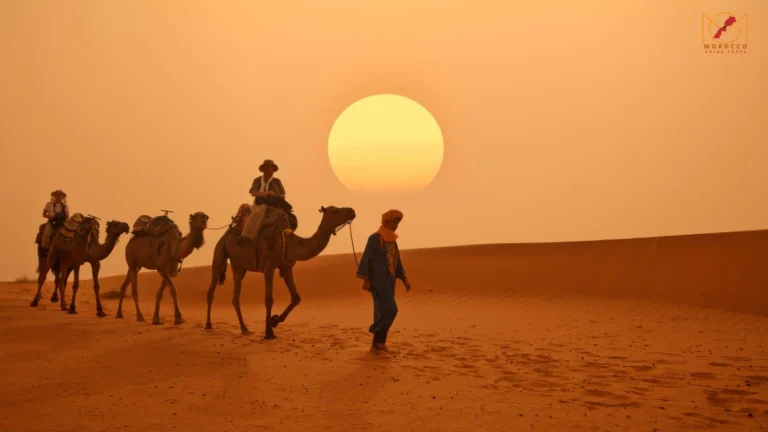
The famous Erg Chebbi sand dunes near Merzouga provide awesome and unforgettable experiences. Camel trekking over sand dunes and camping in luxury desert camps create lifelong memories, while unique desert wildlife like scarab beetles add natural wonder to starlit evenings.
Aït Benhaddou: A Fortified Village of Cinematic Fame
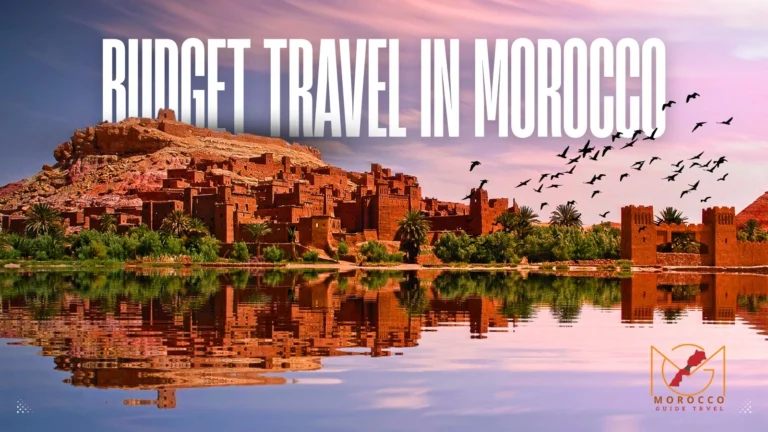
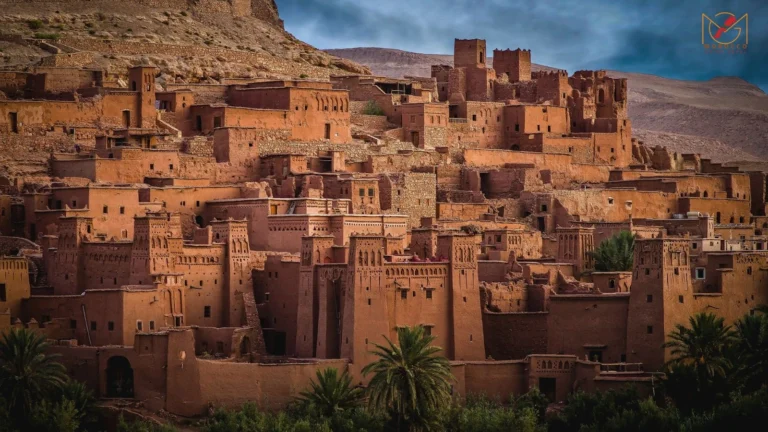
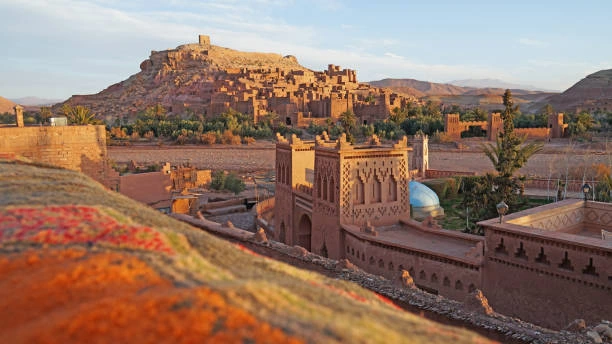
This centuries-old fortified village and UNESCO World Heritage Site gained fame through appearances in blockbuster films including The Mummy, Gladiator, and Game of Thrones. Climbing to the top rewards visitors with awesome views, while the Tawesna Tea House supports local women and the carpet cooperative educates about Berber rug traditions.
Zaida: A Taste of Rural Morocco’s Barbecue
This remote, random, and genuinely authentic village in Morocco’s apple capital region offers unfiltered looks into traditional life. Animal corpses hanging from storefronts provide stark reality checks about rural Moroccan food preparation, requiring rental vehicles due to its off-the-radar location.
Dades Valley: Serenity & Stunning Gorges
Perfect for slowing down your Morocco trip, Dades Valley features kind, welcoming people and beautiful scenery. Walking through impressive Dades Gorge and viewing famous switchbacks from Hotel Timzzillite (featured in Mission Impossible: Rogue Nation) creates memorable experiences. Nearby Todra Gorge and “monkey fingers” mountains add geological wonder.
Maximizing Your Moroccan Experience: Insider Tips
These Morocco travel tips and insider Morocco Morocco advice help navigate cultural complexities while maximizing authentic experiences.
Embracing the Chaos (Especially in Medinas)
Loud, frenzied cities like Marrakech and chaotic medinas like Fes require mental preparation and patience. Learning “balak!” (“get out of the way!”) in Fes helps navigate crowded alleys safely while showing cultural awareness.
Haggling in the Souks: A Cultural Art Form
Haggling represents common, expected practice in Moroccan souks rather than aggressive confrontation. Approach negotiations as cultural exchanges while respecting vendors’ livelihoods and traditional business practices.
Sustainable and Responsible Tourism: Travel with Impact
Seek eco-friendly options and businesses demonstrating commitment to local communities, conservation efforts, and fair labor practices. Responsible tourism ensures Morocco’s cultural and natural heritage preservation for future generations.
Frequently Asked Questions (FAQs)
Q: Is Morocco safe for solo female travelers? A: Morocco is generally considered safe for solo female travelers. Following cultural sensitivity guidelines regarding modest dress and respecting local customs enhances safety and cultural acceptance.
Q: What is the best way to get around Morocco? A: Morocco offers robust transportation networks including clean, punctual trains and readily available taxis with city-specific colors. Driving provides flexibility with good road conditions, while buses serve most destinations affordably.
Q: Can non-Muslims visit mosques in Morocco? A: Generally, non-Muslims cannot enter Moroccan mosques, with the notable exception of Casablanca’s Hassan II Mosque, which offers guided tours for visitors of all faiths.
Q: Is it necessary to hire a guide in cities like Fes? A: In complex cities like Fes, with medieval labyrinths of over 9,000 alleys, guides prove highly recommended for navigation and cultural interpretation, preventing getting lost while maximizing experiences.
Q: What is the local currency and should I carry cash? A: The Moroccan Dirham serves as local currency. Carrying cash proves advisable, especially for souks, street food, and smaller establishments that may not accept credit cards.
Q: Are credit cards widely accepted? A: Credit cards work in larger hotels and restaurants, but many smaller businesses and traditional markets require cash payments for transactions.
Plan Your Unforgettable Morocco Trip Today!
From the chaotic beauty of Marrakech and Fes to the serene landscapes of the Sahara and Dades Valley, Morocco truly offers dazzling diversity of experiences. Whether you’re drawn to popular cities in Morocco like the blue streets of Chefchaouen or hidden gems like Moulay Idriss, each destination contributes unique chapters to your Moroccan story.
Ready to embark on your Moroccan adventure? Start planning now with these insider tips and make 2025 your year to explore this incredible country! These insights, based on real experiences and designed to save you time and money, ensure your Morocco journey exceeds expectations while respecting local culture and traditions.
The best cities to visit in Morocco await your discovery, each offering authentic experiences that will create lifelong memories and deep appreciation for this remarkable North African kingdom.